
Lower heating bills
Insulating the wall cavity reduces the rate of heat transfer, so your heater does not have to work as hard to maintain a comfortable temperature. This directly cuts the cost of running heating systems through the colder months.
Belgrave Heights Wall Insulation
Cavity wall insulation for brick veneer and double brick homes in Belgrave Heights. We inject insulation into wall cavities to stop draughts, reduce heat loss in winter and keep your home warmer with lower energy bills.
Share your details and Expert Insulation Melbourne will contact you about Cavity Wall Insulation in Belgrave Heights.
Cavity wall insulation fills the gap between the inner and outer leaf of brick veneer or double brick walls with a suitable insulating material. In Belgrave Heights, this is done by drilling small holes in the mortar joints, injecting the insulation and then patching the holes to leave a clean finish. It is a cost-effective way to improve the thermal performance of existing brick homes without removing cladding or internal linings.
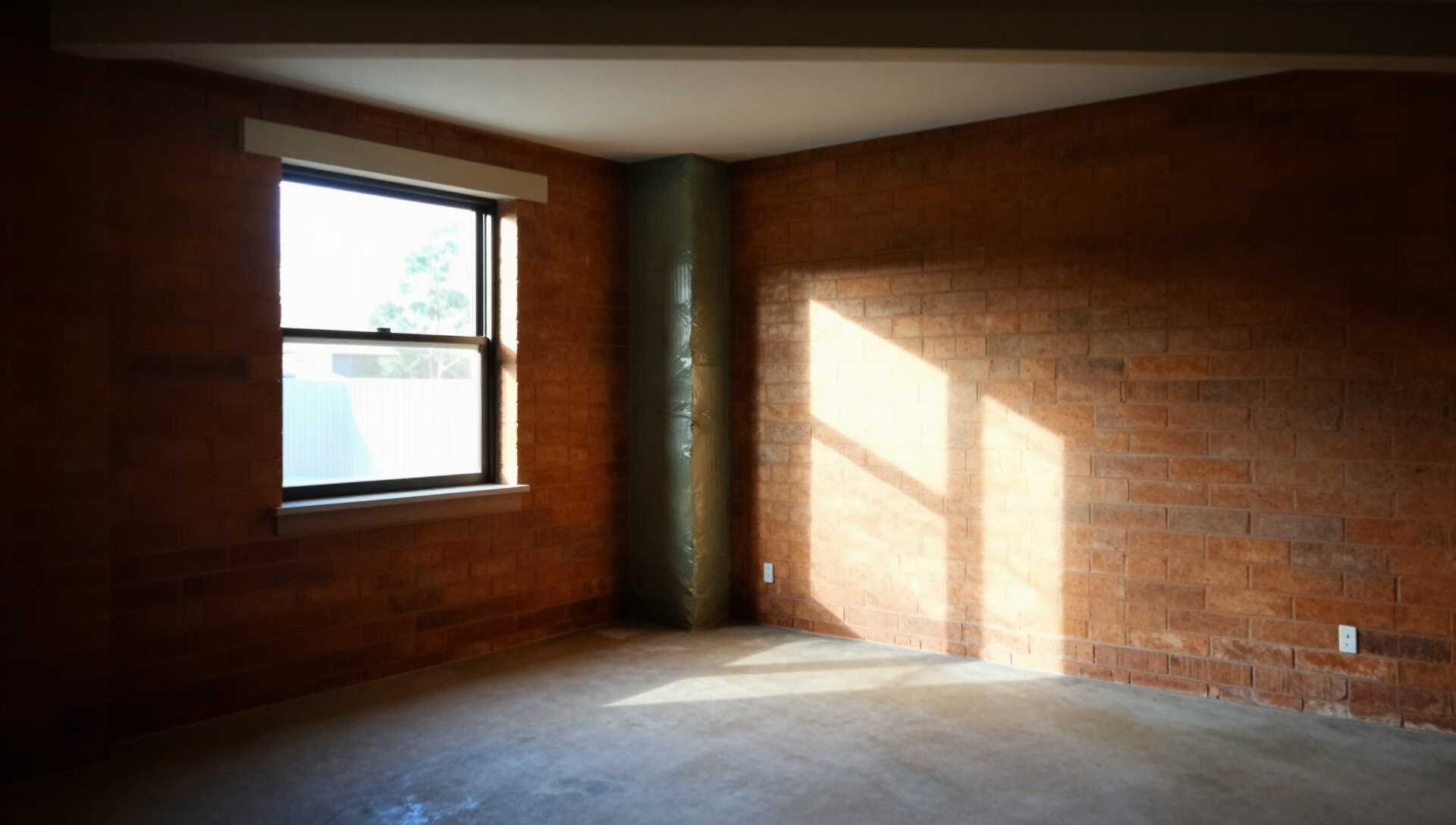
Belgrave Heights sits in the cooler, damper Dandenong Ranges, where winters are cold and heating costs can climb quickly. Many homes in the area are brick veneer or double brick, which without insulation lose a significant amount of heat through the walls. Cavity wall insulation addresses this by adding a thermal barrier within the wall structure.
Insulating the wall cavity reduces the rate of heat transfer, so your heater does not have to work as hard to maintain a comfortable temperature. This directly cuts the cost of running heating systems through the colder months.
Walls stay warmer to touch and rooms hold heat more evenly. This eliminates cold spots near external walls and creates a more consistent indoor climate throughout the home.
Filling the cavity blocks the pathways that allow cold outside air to enter through gaps in the brickwork. This stops draughts that make rooms feel colder than the thermostat reading.
A properly insulated cavity helps regulate temperature differences between the inner and outer wall leaves. This reduces the risk of condensation forming inside the wall, which can lead to mould and structural issues over time.
Unlike adding bulk insulation to the inside of walls during a renovation, cavity insulation uses the existing void. There is no reduction in room dimensions or need to relocate power points and cornices.
Once installed, cavity wall insulation does not settle or compress like some ceiling batts can. It maintains its thermal resistance for the life of the building with no ongoing maintenance required.
Our cavity wall insulation process is designed to be quick, clean and effective. We start with a thorough inspection to confirm the wall type and cavity condition, then proceed with the installation using methods that minimise disruption to your home.
We check the wall construction to confirm it is suitable for cavity insulation. This includes verifying the cavity is clear of debris, moisture or existing insulation, and that the brickwork is in good condition. If we suspect asbestos in any part of the wall, work stops until a qualified assessor inspects it.
Small holes are drilled in the mortar joints at regular intervals across the wall. These holes are typically 10 to 15 millimetres in diameter and are positioned to ensure even distribution of the insulation material throughout the cavity.
Using specialised equipment, we inject the insulation material into the cavity through the access holes. The material expands to fill the void completely, ensuring there are no gaps or cold bridges that would reduce performance.
Once the cavity is filled, we patch the access holes with matching mortar to restore the appearance of the brickwork. The patches are colour-matched to blend in with the existing mortar, leaving a clean and professional finish.
Belgrave Heights is known for its cooler climate and many brick homes built from the mid-20th century onwards. These properties often lack wall insulation, leading to higher heating costs and uneven temperatures between rooms. Cavity wall insulation is an ideal solution for these homes, as it improves thermal performance without the need for invasive renovations. Nearby suburbs like Belgrave and Tecoma share similar housing stock and climate, making cavity insulation a practical upgrade for the entire area.
Reduce heat loss and improve comfort in your Belgrave Heights brick home with cavity wall insulation.
Homeowners in Belgrave Heights often have questions about how cavity wall insulation works, whether their home is suitable and what to expect during the process. Here are answers to the most common queries.
Cavity wall insulation in Belgrave Heights targets the hidden gap between the inner and outer layers of brick veneer or double brick walls. This space, if left uninsulated, allows heat to escape in winter and enter in summer, forcing heating and cooling systems to work harder. By filling the cavity with an insulating material, we create a thermal barrier that slows this heat transfer, improving energy efficiency and indoor comfort.
Many Belgrave Heights homes were built with uninsulated cavities, as wall insulation was not a standard practice at the time. Retrofitting cavity insulation is a non-invasive way to upgrade these properties, as it does not require removing internal linings or external cladding. The process involves drilling small holes in the mortar, injecting the insulation and then sealing the holes, leaving the wall’s appearance unchanged.
The type of insulation used depends on the wall construction and moisture conditions. Common materials include mineral wool, polystyrene beads or foam, each with different thermal and moisture-resistant properties. A pre-installation inspection ensures the chosen product is suitable for your home’s specific needs, including any considerations for moisture management in the Dandenong Ranges’ damp climate.
Improve the thermal performance of your brick home in Belgrave Heights with cavity wall insulation. Contact Expert Insulation Melbourne to discuss your options and arrange an inspection.