
Lower heating and cooling costs
A ceiling with no insulation can lose up to 40 percent of a home’s heating energy in winter. Batts with the right R-value slow this loss and reduce the workload on heaters and air conditioners.
Belgrave Heights
Ceiling insulation fitted between joists in your roof space stops winter heat loss and summer heat gain in Belgrave Heights homes. We install glasswool, polyester and rockwool batts to the R-value you need.
Share your details and Expert Insulation Melbourne will contact you about Ceiling Insulation in Belgrave Heights.
Ceiling insulation is installed between the ceiling joists in your roof space to slow heat transfer through the main path of heat loss in winter and heat gain in summer. In Belgrave Heights, where cold damp winters and hot dry summers push heating and cooling systems hard, a well-insulated ceiling keeps indoor temperatures steadier and energy bills lower.
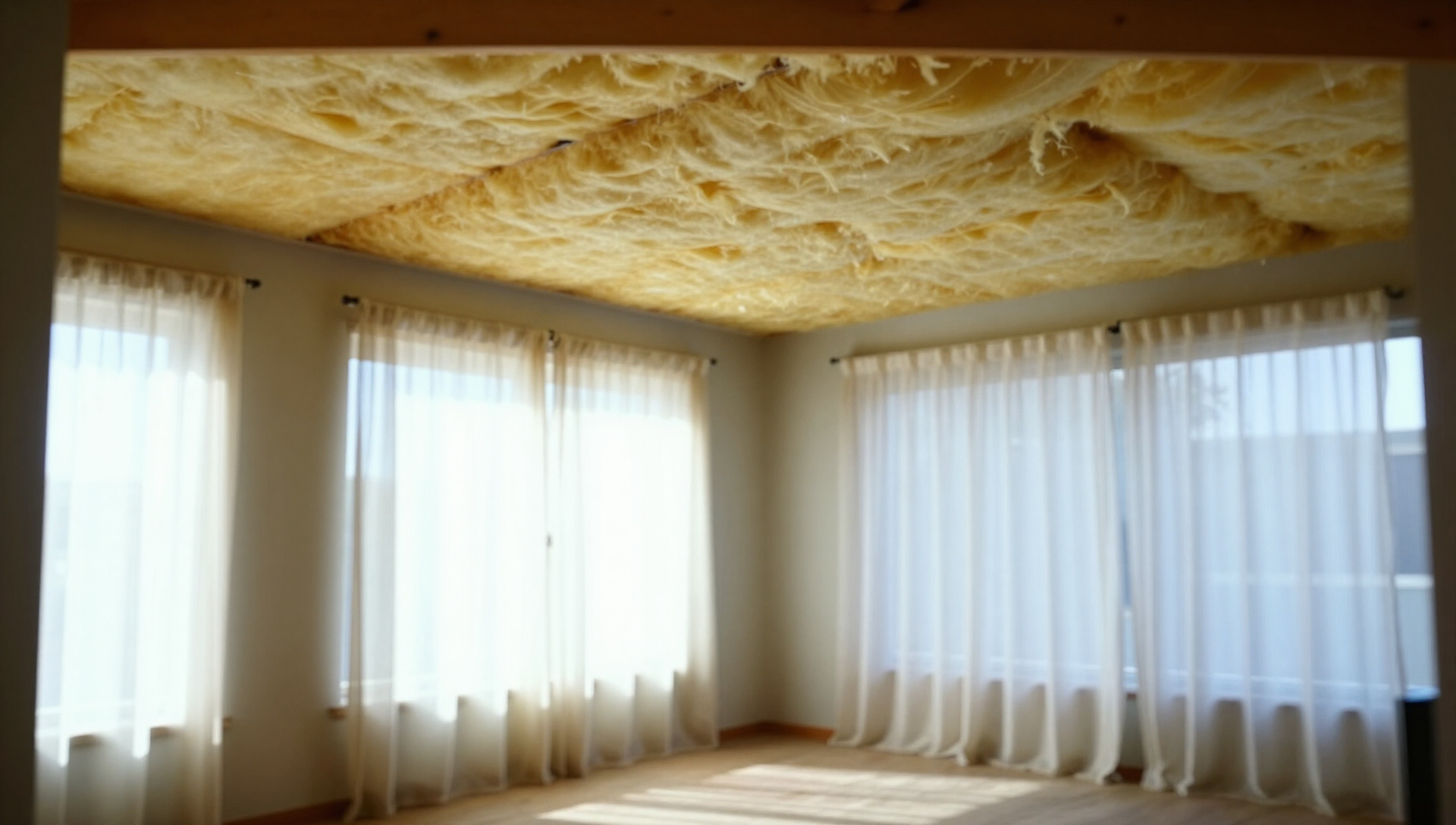
Homes in Belgrave Heights often have older roof spaces with little or no insulation, or batts that have compressed over time. Proper ceiling insulation addresses the specific climate challenges of the Dandenong Ranges, where temperature swings are large and moisture can be an issue.
A ceiling with no insulation can lose up to 40 percent of a home’s heating energy in winter. Batts with the right R-value slow this loss and reduce the workload on heaters and air conditioners.
Bulk insulation traps still air in millions of tiny pockets, resisting the flow of heat. This keeps living areas warmer in winter and cooler in summer without relying solely on mechanical systems.
In the damp conditions of Belgrave Heights, insulation helps prevent warm moist air from the house meeting cold surfaces in the roof space, which can lead to condensation and mould.
Dense batts absorb airborne noise from rain on the roof and external sources, making interiors quieter, which is valuable in leafy but exposed hills suburbs.
Quality batts maintain their thickness and R-value over time if installed correctly, unlike old compressed material that loses effectiveness and needs topping up or replacement.
Glasswool and rockwool batts are non-combustible, providing an additional safety layer in bushfire-prone areas around Belgrave Heights.
We begin with a roof space inspection to check existing insulation, access, wiring and any obstacles. The job is typically completed in a day for an average home, with minimal disruption to your household.
We access the roof space via the manhole and assess the current insulation, condition of the ceiling, presence of downlights, flues, cables and any signs of moisture or pest damage. If old batts may contain asbestos, work stops until a qualified assessor inspects.
We lay walkboards to protect the ceiling and ensure safe access across joists. Dust and debris are removed if needed, and we confirm clearances around heat-producing fixtures before installation begins.
Batts are cut to fit snugly between joists without gaps or compression. We maintain the required clearances around downlights and flues, and ensure no insulation covers eaves ventilation to prevent moisture buildup.
All offcuts and packaging are removed from the roof space and site. We do a final walkthrough to confirm the insulation is evenly installed and that access points are properly sealed.
Belgrave Heights sits in the cooler, damper Dandenong Ranges, where older weatherboard and brick homes often have under-insulated roof spaces. Ceiling insulation here is critical to combat winter heat loss through uninsulated ceilings and summer heat gain through metal or tiled roofs. Many homes also benefit from topping up old, thin batts that have settled or been disturbed by pests over the years.
Reduce heat loss and gain with ceiling batts installed in Belgrave Heights roof spaces.
Homeowners in Belgrave Heights often ask about R-values, access and whether their existing insulation is still doing its job. Here are the key points to consider before installing ceiling insulation.
Ceiling insulation in Belgrave Heights targets the main path of heat transfer in most homes. Without adequate batts between ceiling joists, warm air rises and escapes in winter, and radiant heat from the roof penetrates in summer. In the Dandenong Ranges climate, this means higher heating costs in winter and overheated rooms in summer.
Glasswool, polyester and rockwool are the most common bulk insulation materials for ceilings in Belgrave Heights. Glasswool offers high thermal resistance and non-combustibility at a cost-effective price. Polyester is a good choice where itch-free handling and moisture resistance are priorities. Rockwool provides excellent acoustic performance and fire resistance, suitable for homes near bushland.
The R-value you choose depends on your budget and comfort goals. Ceilings in Melbourne commonly use R4.0 to R6.0 batts. Higher R-values provide better thermal resistance but require thicker batts, so we check the depth between your joists during the inspection. Cost is influenced by roof pitch, access difficulty, floor area, existing insulation removal and the chosen R-value.
Call Expert Insulation Melbourne on 0399695249 or email info@expertinsulationmelbourne. com. au to arrange a roof space inspection and quote for ceiling insulation in Belgrave Heights.