
Warmer floors in winter
Insulation under the floor stops cold air from the subfloor rising through the floorboards. This keeps your feet warm and reduces the need to run heaters constantly during Belgrave Heights winters.
Suspended Floor Specialists
Cold floors and draughts through floorboards are common in Belgrave Heights homes with suspended timber floors. Underfloor insulation blocks the airflow under the house, keeping your floors warmer in winter and reducing heating costs. We install bulk insulation batts between the floor joists in the subfloor, with access via the crawl space.
Share your details and Expert Insulation Melbourne will contact you about Underfloor Insulation in Belgrave Heights.
Underfloor insulation is installed beneath suspended timber floors to stop cold air rising through the floorboards. In Belgrave Heights, many homes sit on stumps and bearers with a subfloor space that lets in cold air, moisture and draughts. We fit glasswool, polyester or rockwool batts between the floor joists, supported by the bearers, to create a thermal barrier. Typical R-values for underfloor insulation range from R1.
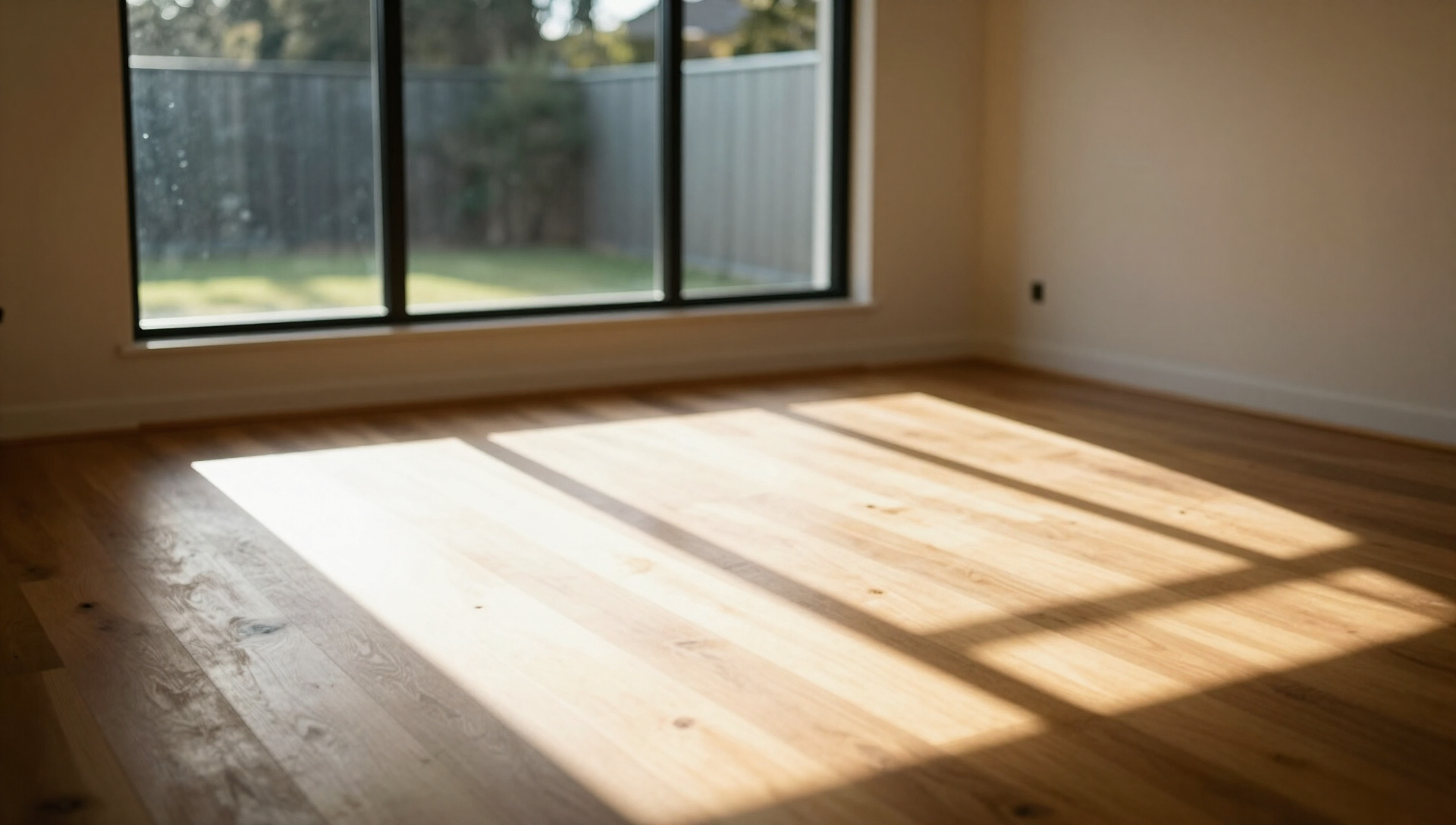
Belgrave Heights sits in the cooler, damper Dandenong Ranges, where winters are colder and homes often have exposed subfloors. Underfloor insulation addresses the specific issues of this area by stopping the cold air that rises through uninsulated floors, reducing heat loss and improving comfort.
Insulation under the floor stops cold air from the subfloor rising through the floorboards. This keeps your feet warm and reduces the need to run heaters constantly during Belgrave Heights winters.
Gaps between floorboards and around skirting let cold air in. Underfloor batts block this airflow, making rooms feel less chilly and more consistent in temperature.
By reducing heat loss through the floor, your heating system works less to maintain a comfortable temperature. This can lead to noticeable savings on energy bills over time.
The Dandenong Ranges can be damp, and subfloors often collect moisture. Insulation helps reduce condensation on the underside of the floor, protecting timber from rot and mould.
Combined with ceiling insulation, underfloor insulation creates a more even temperature throughout the home. This is especially valuable in older Belgrave Heights houses with poor thermal performance.
We access the subfloor through existing vents or small access panels, so there is no need to lift floorboards or disrupt your home. Work is usually completed in a day for an average-sized house.
Installing underfloor insulation requires access to the subfloor and careful placement of batts to avoid gaps or compression. We follow a straightforward process to ensure full coverage and long-lasting performance.
We start by inspecting the subfloor to confirm there is enough crawl space and no obstacles like plumbing or wiring that would block installation. If old insulation is present and damaged, we remove it first.
We measure the distance between floor joists and cut the batts to fit snugly without compression. Glasswool, polyester and rockwool are all suitable for underfloor use, with polyester often preferred for its moisture resistance in damp areas.
Batts are placed between the floor joists, supported by the bearers, to create a continuous layer. We ensure no gaps are left, as these would let cold air through and reduce effectiveness.
After installation, we check for any remaining gaps around pipes or cables and seal them with appropriate materials. We then clean up the subfloor and ensure all access points are securely closed.
Belgrave Heights is part of the Dandenong Ranges, where older homes often have suspended timber floors with little or no insulation. The cooler climate and damp conditions make underfloor insulation a practical upgrade. Nearby suburbs like Belgrave and Tecoma share similar housing styles and climate, so the same benefits apply. If your home has cold floors, draughts through floorboards or high heating bills, underfloor insulation can make a noticeable difference.
Stop cold floors and draughts in Belgrave Heights with underfloor batts installed under suspended timber floors.
Homeowners in Belgrave Heights often have questions about how underfloor insulation works, what it costs and whether it is worth it for their home. Here are the most common queries we answer.
Underfloor insulation is a cost-effective way to improve thermal comfort in Belgrave Heights homes with suspended timber floors. By installing batts between the floor joists in the subfloor, you stop cold air rising through the floorboards, which is a major source of heat loss in winter. This is especially important in the Dandenong Ranges, where temperatures drop lower than in central Melbourne.
The process involves accessing the subfloor via crawl space, measuring the joist spacing and fitting batts snugly between them. Glasswool, polyester and rockwool are all effective, with polyester often chosen for its moisture resistance in damp subfloors. Typical R-values for underfloor insulation range from R1.5 to R2.5, depending on the available depth and your specific needs.
Signs your Belgrave Heights home needs underfloor insulation include cold floors in winter, noticeable draughts through floorboards and high heating costs. If your house is on stumps and bearers with an accessible subfloor, underfloor batts can be installed without disrupting your home. Combined with ceiling insulation, this creates a more energy-efficient and comfortable living space.
If your Belgrave Heights home has cold floors or draughts through the floorboards, underfloor insulation can make a real difference. We provide a free assessment to check your subfloor access and recommend the best solution for your house.