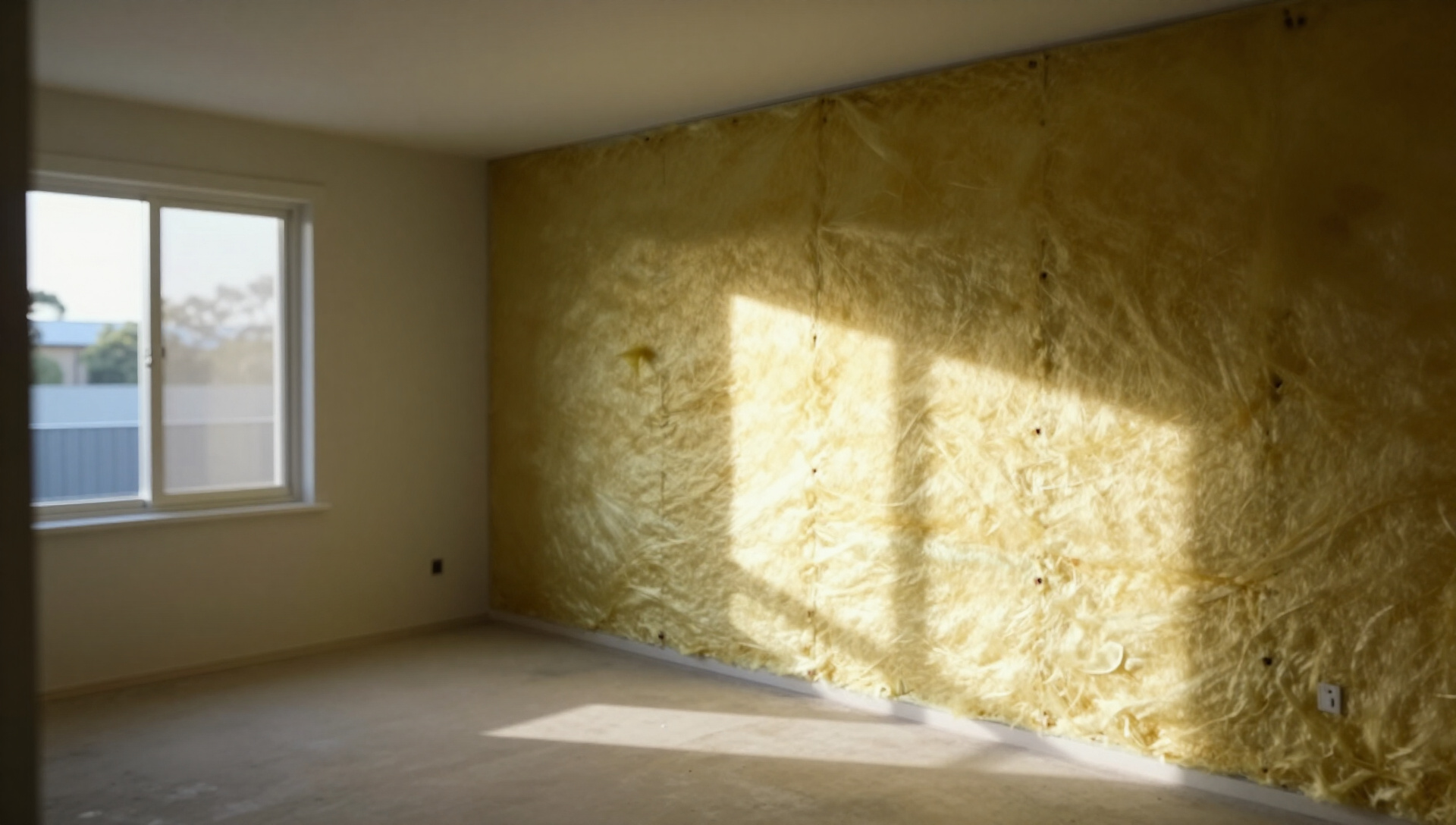
Wall insulation in Belgrave Heights is a cost-effective way to improve the thermal performance of your home. In the cooler, damper climate of the Dandenong Ranges, uninsulated external walls allow significant heat loss in winter and heat gain in summer. Installing batts in the wall cavities during renovations or new builds slows this heat transfer, keeping indoor temperatures more stable and reducing the workload on heating and cooling systems.
For Belgrave Heights homes, wall insulation is most practical when the wall frames are exposed. This includes renovations, extensions and new construction. The process involves measuring the stud spacing, cutting batts to fit and friction-fitting them between the studs. Glasswool, polyester and rockwool are the most common materials, with R-values typically ranging from R2.0 to R2.7 for walls. Higher R-values provide better thermal resistance but require thicker batts.
Older homes in Belgrave Heights, particularly weatherboard and brick veneer constructions, often lack wall insulation. Adding insulation to these walls can significantly improve comfort and reduce energy bills. For existing walls where the cavities are not accessible, cavity wall insulation may be an option, but this depends on the wall type and moisture conditions, which are assessed on-site.